
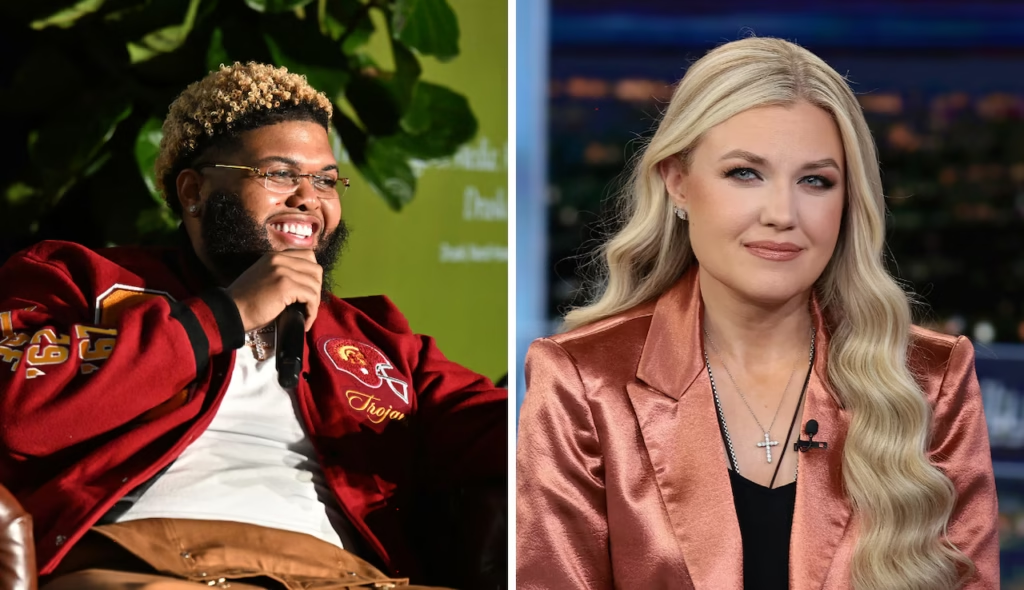

In late March 2026, Druski Erika Kirk Skit comedian dropped a two minute video on X that would ignite one of the most intense cultural debates of the year. Posted with the simple caption “How Conservative Women in America act,” the skit featured Druski fully transformed in whiteface makeup, a blonde wig, a white pantsuit, and blue contact lenses to portray what millions instantly recognized as a parody of Erika Kirk, the widow of the late Turning Point USA co-founder Charlie Kirk and the organization’s current CEO.
The numbers that followed were nothing short of staggering. Within 12 hours, the video had racked up 22 million views. By the next evening, it crossed 80 million. By Friday, 121 million. By the weekend, it had surpassed 163 million views on X alone, with Instagram adding another 3.4 million likes in under 24 hours. For context, those are not just “viral” numbers. Those are historic internet moments. A U.S. senator weighed in, a fake cease and desist letter went viral, and even Newsweek had to fact check legal rumors that turned out to be completely false.
Who Is Druski and What Made This Skit So Powerful
Druski, whose real name is Drew Desbordes, is a 31-year-old comedian and influencer who has built a massive following through his character-driven, absurdist sketch comedy. He has cited legends like Eddie Murphy as inspiration and has consistently described his comedy as coming from a “good place.” His previous work includes viral parodies of NFL events, megachurch pastors, and everyday American culture. What made the Erika Kirk skit so uniquely powerful was the level of detail Druski poured into the character.
He wore full prosthetics, heavy makeup that genuinely fooled viewers, and replicated specific visual cues associated with Erika Kirk, including her signature fist gesture and the sparkler entrance reminiscent of Kirk’s appearance at her late husband’s memorial service. The skit cycled through a fake press conference on the Iran war, a podcast-style Bible testimony, a Starbucks drive-through order for a “sweet cream foam chai ice matcha” with an “organic pup cup,” and a closing rally speech mocking Kirk’s widely circulated remark about protecting “young white male men in America.” Every single scene was crafted with surgical precision, and audiences felt it immediately.
The Erika Kirk Context That Made the Timing Essential
Understanding why the skit exploded so fast requires looking at the weeks leading up to it. Erika Kirk had already become one of the most discussed, debated, and memed figures on the internet following the assassination of her husband Charlie Kirk in September 2025. Her public appearances had generated consistent viral moments, with waves of attention building and resetting every few weeks. Two specific events in the days before the skit supercharged the internet’s interest.
On March 11, Kirk appeared at an event in Arkansas alongside Governor Sarah Huckabee Sanders and told the crowd not to let anyone “disenfranchise you because you’re a young man, especially a young white male man.” A Black student was visibly standing directly behind her as she spoke. The clip exploded across X and TikTok. Then, just five days before Druski posted his skit, Joe Rogan called Kirk “an odd duck” on his podcast, putting her name in front of an entirely new audience of millions. Druski did not create a character from nothing. He stepped into a role that the internet had been casting for six months.
How Conservatives Reacted to the Druski Erika Kirk Parody
The conservative response was swift, loud, and, for many observers, revealing. Critics flooded social media calling the skit racist and an example of “blatant reverse racism.” Some argued that if a white comedian wore blackface to parody a Black political figure, the outrage would be instant and career-ending. Senator Ted Cruz offered a “damning two-word assessment” of the video online. Right-wing journalist Dom Lucre urged people to recognize that mocking a grieving widow crossed a moral line regardless of politics.
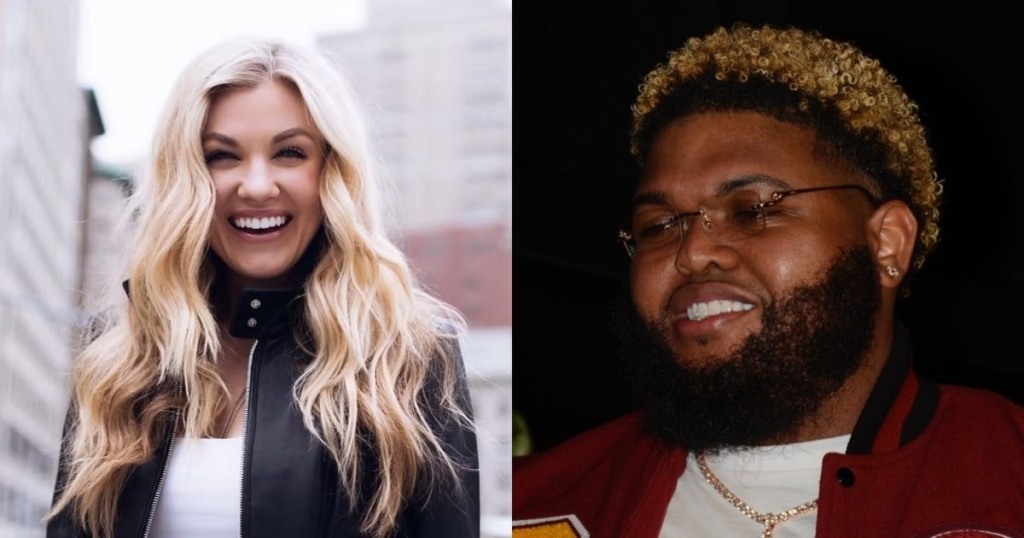
Most dramatically, President Donald Trump himself weighed in. After spotting Erika Kirk at an Easter lunch at the White House, Trump told her, “I think you should sue him,” referring to Druski. He went further, saying, “I told her, you ought to sue some of these. They’re so jealous of Erika,” and reportedly urged Kirk to “sue their ass off,” which drew laughter and applause in the room. Reports claiming Kirk was actually planning to sue circulated online, but a spokesperson for Druski told Newsweek that “any claim that a cease and desist was issued to Druski is absolutely false.”
Erika Kirk’s Own Response to the Skit
For weeks, Kirk stayed publicly quiet about the video. It was not until April 29, 2026, on an episode of The Charlie Kirk Show, that she appeared to address it directly, though without mentioning Druski by name. Kirk said, “This culture we’re living in absorbs disagreements as a form of personal betrayal. It turns having an opposing viewpoint into a moral crime worthy of punishment.
She added, “Having lived through quite literal hell these past seven months, if you strip someone of their humanity long enough, you will arrive at the chilling conclusion that they don’t deserve to exist at all.” She also stated, “I have comedians dressing up in whiteface, in what audiences and media outlets universally interpreted as a direct reference to Druski’s skit.
Jake Paul’s Controversial Response
The controversy did not stay contained to Druski and Kirk. Boxer and influencer Jake Paul announced on Theo Von’s podcast that he had been “calling makeup artists” and was considering doing a blackface skit as a response to Druski. Paul, who identifies as Republican, admitted he found Druski’s video “f-ing hilarious” and noted “there’s truth in this,” before pivoting to his controversial idea.
As of the time of writing, no such video has been filmed or released. The announcement alone sparked immediate backlash over the historical weight of blackface and its connection to racist minstrel shows, reigniting a separate but connected debate about racial double standards in comedy.
The Whiteface vs. Blackface Debate at the Heart of the Controversy
The essential ideological divide in this controversy comes down to one question: are whiteface and blackface morally and historically equivalent? Conservatives largely argued yes, framing any race-based makeup as equally offensive regardless of direction. Many academics, comedians, and cultural critics argued the opposite. Analysis published in The Conversation described the skit as “satire that punches up at power,” arguing that whiteface in this context draws attention to the privileges that whiteness grants rather than dehumanizing a marginalized group.
The piece noted that blackface carries the specific legacy of 19th-century minstrel shows designed to humiliate and degrade Black people, while whiteface in modern comedy operates in a fundamentally different cultural context. Others pointed out that Druski’s skit was not about whiteness itself but about specific political behavior, ideology, and rhetoric associated with a public figure who holds considerable institutional power. Even Elon Musk’s own AI chatbot Grok was famously fooled by the disguise, identifying the person in a still image not as “Druski dressed as Erika Kirk” but simply as “Erika Kirk,” a moment that generated nearly 470,000 views on its own and became one of the more surreal subplots of the entire story.
Why the Skit Matters Beyond the Laughs
At its core, the Druski Erika Kirk skit matters because it exposed several important fault lines in American culture simultaneously. It tested the right’s stated commitment to free speech and anti-cancel culture values. It opened a national conversation about the boundaries of political satire. It demonstrated how timing, cultural buildup, and internet infrastructure can combine to produce a moment that transcends comedy and becomes a cultural event. The Nation published analysis noting that the MAGA movement’s outrage over the Erika Kirk skit, but not over many of Druski’s other edgier content targeting marginalized groups, revealed a selective standard for comedy offense.
UnHerd made a similar point, writing that the skit “exposes the Right’s cancel culture hypocrisy” by showing that the same crowd that claims liberals cannot take a joke became intensely triggered when the joke was aimed at one of their own. Druski has defended himself against the whiteface accusations, saying his comedy comes from a good place and that he does not intentionally punch down. Whether audiences agree or not, the conversation the skit started is one the internet clearly wanted to have. It did not get 184 million views because people were indifferent.
Conclusion
The Druski Erika Kirk skit is more than just a viral comedy moment. It is a cultural artifact that captured a specific tension in American public life in early 2026 and forced millions of people to confront questions about satire, race, political power, and the rules of comedy in real time. From Druski’s meticulous transformation to Trump’s Easter table advice, from Grok’s AI misidentification to Jake Paul’s blackface threat, every layer of this story reveals something about the state of American culture right now. What began as a two-minute sketch captioned with seven words became a defining internet moment of the year, and the conversations it started are nowhere close to finished.
Frequently Asked Questions
What is the Druski Erika Kirk skit about
The skit is a two minute parody video posted by comedian Druski on March 25, 2026, captioned “How Conservative Women in America act.” In it, Druski wears whiteface makeup, a blonde wig, and a white pantsuit to portray a character widely understood to be based on Erika Kirk, the CEO of Turning Point USA. The skit includes scenes mocking a fake press conference, Bible testimony, a Starbucks order, and a speech about protecting white men in America.
How many views did the Druski Erika Kirk skit get
The skit accumulated over 163 million views on X alone within days of posting, with an additional 3.4 million Instagram likes in under 24 hours. Total cross-platform views are estimated to have surpassed 184 million, making it one of the most viewed comedy videos in social media history.
Did Erika Kirk respond to Druski’s skit
Yes. On April 29, 2026, Erika Kirk addressed the skit indirectly on The Charlie Kirk Show, stating that “comedians dressing up in whiteface” were among the attacks she faced daily. She did not mention Druski by name but the reference was widely understood. She spoke about the emotional toll of being targeted and the dehumanizing effect of online hostility.
Did Trump get involved in the Druski Erika Kirk controversy
Yes. President Trump weighed in during an Easter lunch at the White House, where he reportedly told Erika Kirk to “sue him,” referring to Druski, and urged her to “sue their ass off.” Reports of an actual lawsuit or cease-and-desist circulated online but were confirmed to be false by a spokesperson for Druski.
Is the Druski Erika Kirk skit considered racist
The skit sparked significant debate. Conservative critics called it racist and comparable to blackface, arguing that race-based makeup is equally offensive regardless of direction. Many academics and cultural critics disagreed, arguing that whiteface in a political satire context targets a powerful public figure and carries different historical weight than blackface, which has a specific history of dehumanizing Black people through minstrelsy. The debate remains unresolved and continues to drive conversation across social media and mainstream media.
You may also read: Todaymag.blog